

Search engine optimization (SEO) offers many different strategies, but not all of them are safe for long-term growth. One method that often confuses beginners is the PBN. At first glance, it may seem like an easy way to improve rankings, especially for new website owners looking for fast results. However, this approach often leads to serious problems rather than success. Understanding what a PBN is and why it’s considered risky can help marketers avoid mistakes that damage a site’s visibility and credibility.
In this article, we explain what PBN means in SEO, how private blog networks work, why Google discourages their use, and the risks they involve. By the end, readers will have a clear understanding of why ethical, transparent SEO strategies are a safer choice for long-term success.
PBN Explained
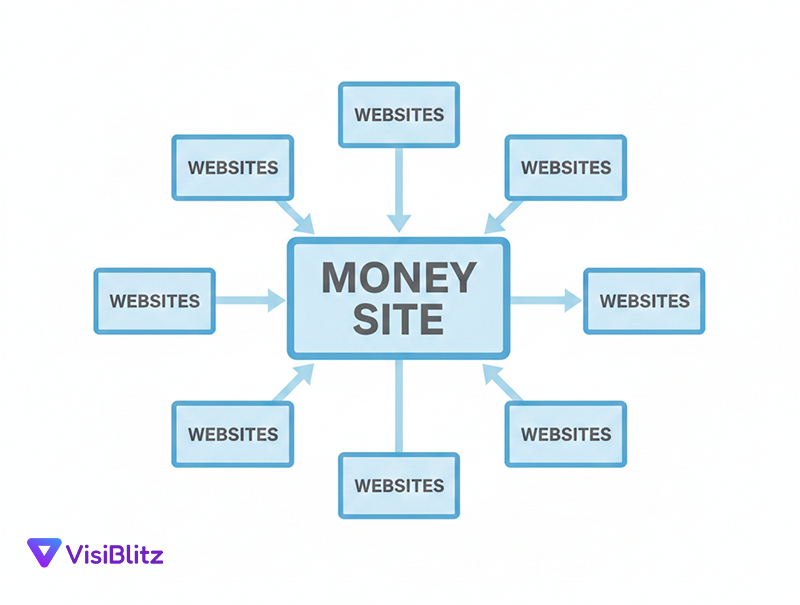
A PBN, or Private Blog Network, is a group of websites controlled by one individual or organization for the purpose of creating backlinks to a target site. Although these websites appear unrelated, they are intentionally connected behind the scenes to pass authority to a central “money site.” The links generated through these networks are known as PBN backlinks.
Many PBNs rely on expired domains that already possess existing backlinks and domain authority. SEO practitioners repurpose these domains, publish minimal content, and insert links pointing to their main website. This method once exploited gaps in search algorithms, but today it is widely recognized as a high-risk tactic.
Expired domains often retain historical backlinks, which makes them attractive for manipulation. Practitioners evaluate metrics such as Trust Flow, Citation Flow, and referring domains to determine whether a domain still carries valuable link equity. Some even attempt to recreate old site structures to preserve as much authority as possible. Exploring the PBN SEO meaning helps beginners understand why these networks are considered manipulative and why relying on them is risky.
Understanding what is PBN in SEO at this stage ensures that website owners make informed decisions about link-building strategies.
The Purpose of PBNs
Marketers often turn to PBNs because these networks provide a level of control that is difficult to achieve through organic link-building methods. In typical outreach or content-driven strategies, the timing, placement, and anchor text of backlinks are largely dependent on the discretion of external publishers, making results unpredictable. With a PBN, however, marketers can precisely manage all aspects of link placement, including the specific anchor text, the page where the link appears, and the schedule for publishing content.
This control is appealing because it creates the illusion of faster, more reliable ranking improvements. However, this level of manipulation carries significant risk, as search engines increasingly detect artificial link patterns and penalize sites that rely on such tactics, making PBNs a high-risk strategy. Understanding PBN risks at this point is crucial for anyone considering this tactic.
This level of control allows them to:
- Select exact anchor text
- Decide where links appear
- Add links without waiting for approval
- Attempt rapid ranking improvements
Competitive niches often push marketers toward shortcuts, especially when organic link building feels slow or uncertain. Beginners may underestimate long-term risks and become attracted to the illusion of control that PBNs provide. Using private blog network SEO tactics may seem effective in the short term, but it often leads to serious penalties over time. Learning what PBN is in SEO also includes recognizing these limitations.
Google’s Position on PBNs
Google clearly classifies PBNs as link schemes, meaning they are part of manipulative tactics designed to artificially influence search rankings. Any attempt to create backlinks through these networks—especially from sites built exclusively for SEO purposes—violates Google’s webmaster guidelines. Such actions are considered deceptive because they do not provide real value to users, and search engines are designed to reward genuine content and authority. Websites using PBNs risk a variety of consequences, from algorithmic ranking drops to manual penalties, and even complete de-indexing in severe cases.
Understanding this classification is crucial for any SEO practitioner, as following Google’s guidelines ensures sustainable, long-term visibility without risking penalties or harming the site’s credibility. If Google identifies PBN activity, it may:
- Ignore or devalue the links
- Apply algorithmic ranking reductions
- Issue manual penalties
- Remove PBN sites from the index
Google uses multiple detection methods, including hosting footprints, shared IP ranges, WHOIS similarities, identical CMS themes, unnatural link velocity, and machine-learning models that identify suspicious linking behavior. These systems make it increasingly difficult for PBNs to remain undetected. Learning what is PBN in SEO helps understand why these signals are so important.

Effectiveness vs Risk
While PBNs can sometimes produce short-term ranking improvements, relying on them is extremely risky. Modern search engines are far more sophisticated than in the past, capable of identifying unnatural link patterns, repeated footprints, and suspicious domain connections. Even networks that appear well-maintained, with seemingly legitimate content and varied anchor text, can leave subtle signals that alert algorithms to manipulation. These signals often lead to link devaluation, ranking drops, or even manual penalties. Website owners who depend on PBNs for authority may find their progress reversed suddenly, wasting time, resources, and potentially harming their brand’s reputation.
Consequences include:
- Sharp ranking declines
- Loss of organic traffic
- Long recovery periods
For example, many sites experience rapid growth after receiving PBN backlinks, only to suffer dramatic drops following algorithm updates. Recovery often requires removing harmful links, submitting reconsideration requests, and rebuilding trust—processes that can take months. Understanding PBN risks is essential before considering any link-building tactic. Recognizing what is PBN in SEO here ensures marketers avoid costly mistakes.
SEO Risks and Consequences
Using a PBN exposes websites to several significant risks. Google may devalue the links entirely, eliminating any benefit. Manual penalties can drastically reduce visibility, and recovery often requires extensive cleanup.
There is also reputational damage to consider. If a brand is associated with manipulative SEO tactics, trust from users, clients, and partners may decline. Additionally, maintaining a PBN requires ongoing expenses for domains, hosting, content, and footprint management—often exceeding the cost of legitimate link-building methods. Ethical strategies provide long-term safety and reliability. Monitoring PBN backlinks carefully helps prevent these issues.
Misconceptions About PBNs
Several myths contribute to confusion around PBNs:
Myth 1: PBNs are safe if executed carefully.
Reality: No network is completely undetectable, and Google’s systems continually improve.
Myth 2: Only low-quality sites get penalized.
Reality: Even polished, professional-looking sites have been affected by PBN-related penalties.
Myth 3: Google cannot identify private networks.
Reality: Google relies on pattern recognition and link evaluation, not individual link inspection.
Understanding these misconceptions helps clarify why PBN risks exist and why PBNs remain a controversial tactic.
PBNs Compared to White-Hat SEO
The core difference between PBNs and ethical link-building lies in intent. White-hat SEO focuses on earning links through relevance, authority, and genuine value. PBNs exist solely to manipulate rankings.
For example, a well-executed digital PR campaign can generate authoritative editorial mentions, drive referral traffic, and strengthen brand credibility—benefits that PBNs cannot offer. Unlike private blog network SEO tactics, ethical link-building builds long-term trust and visibility.
Ethical strategies include:
- Guest posting
- Digital PR
- High-quality content creation
- Building publisher relationships
Platforms like VisiBlitz support transparent, compliant link-building by connecting brands with real publishers. Understanding the PBN SEO meaning helps highlight the difference between ethical and manipulative strategies.
General Characteristics of PBNs
Despite attempts to appear natural, many PBNs
share identifiable traits:
- Thin or generic content
- Minimal real traffic
- Outbound links with optimized anchor text
- Sites created exclusively for passing link equity
Recognizing these patterns is crucial for website owners, SEO professionals, and digital marketers alike. By carefully analyzing backlink profiles, checking link sources, and understanding the behavior of suspicious networks, they can identify links that may harm their website’s authority or credibility. Avoiding harmful associations not only protects rankings in search results but also preserves brand reputation, user trust, and long-term SEO performance. Learning to spot these red flags ensures PBN backlinks are avoided.
Who PBNs Are (and Aren’t) For
PBNs are unsuitable for most brands, businesses, and long-term projects. They may appear tempting for marketers seeking rapid results, but any project that depends on consistent traffic, brand reputation, or user trust faces significant risk. Even minor mistakes in network management, such as mismanaging expired domains or using over-optimized anchor texts, can lead to Google penalties, sudden ranking drops, and long-term damage to a website’s authority.
Beginners and those with limited SEO experience are especially vulnerable, as identifying safe setups and maintaining a network without leaving footprints is extremely challenging. Attempting to use PBNs without a deep understanding of search engine algorithms can backfire quickly, wasting both time and resources.
Instead, businesses and brands should focus on ethical, long-term strategies that build real authority. Approaches like guest posting, digital PR, and creating genuinely valuable content offer sustainable traffic, maintain trust with users, and provide a safer path to SEO success. Platforms like VisiBlitz make these strategies scalable and manageable for brands across industries. Recognizing PBN risks and understanding what is PBN in SEO ensures informed decision-making.
Conclusion: PBNs Are a Risk-Based SEO Tactic
Understanding PBNs is essential for anyone learning link building. A private blog network is not a shortcut—it is a high-risk method designed to manipulate search engines through artificial backlinks. While PBNs may offer temporary gains, Google’s guidelines clearly prohibit them, and algorithm updates continue to reduce their effectiveness.
For sustainable SEO success, focus on legitimate strategies such as guest posting, digital PR, and content-driven authority. Platforms like VisiBlitz make ethical link building scalable and transparent, helping brands grow without risking penalties. Building relationships with real publishers and creating valuable content remains the safest and most effective path to long-term growth. Learning what is PBN in SEO and its proper alternatives ensures safe, sustainable results.