
In today’s highly competitive digital landscape, having a visually appealing website or high-quality content is no longer enough. If search engines cannot properly access, understand, and index your website, your content may never reach its intended audience. This is where a well-structured technical SEO checklist becomes essential.
Technical SEO forms the foundation of any successful SEO strategy. It focuses on optimizing the infrastructure of your website so that search engines can crawl, index, and rank your pages efficiently. This article is designed as an awareness-focused guide, meaning its goal is to help you clearly understand what technical SEO is, why it matters, and what elements should be checked to ensure your website is technically sound.
Why Technical SEO Matters for Modern Brands
In an increasingly competitive digital environment, brands can no longer rely solely on content creation or link building to achieve sustainable search visibility. Technical SEO plays a critical role in ensuring that every marketing effort delivers maximum impact.
For modern brands, technical SEO is not just about pleasing search engines—it is about creating a reliable, fast, and accessible digital experience for users. When a website’s technical foundation is strong, content performs better, links carry more value, and organic growth becomes more consistent over time.
Many brands invest heavily in content creation and link building but fail to see results because their website’s technical foundation is weak. Technical SEO ensures that every effort in marketing delivers tangible results. A site with strong technical SEO not only performs better in search engines but also creates a faster, more reliable, and trustworthy experience for visitors, increasing engagement and long-term growth potential.
What Is Technical SEO?
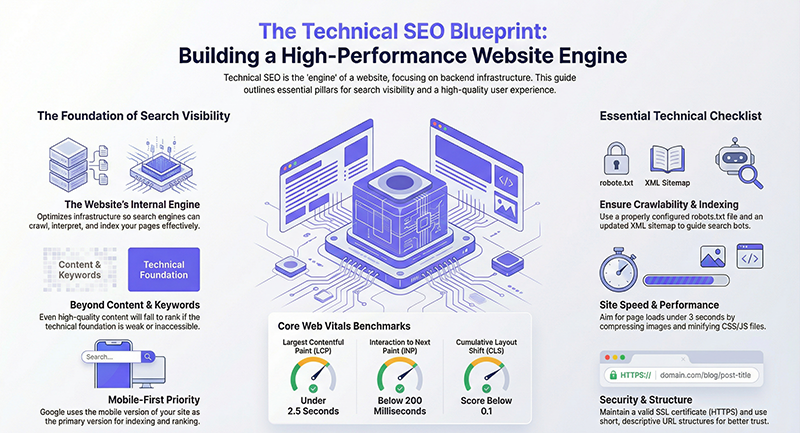
Technical SEO refers to the process of optimizing the technical aspects of a website to help search engines crawl, interpret, and index it more effectively. Unlike on-page SEO (content and keywords) or off-page SEO (backlinks), technical SEO focuses on the behind-the-scenes structure of your website.
You can think of technical SEO as the engine of a car. No matter how beautiful the design or how powerful the marketing is, if the engine is not working properly, the car will not perform well. In the same way, without a solid technical foundation, even the best content may fail to rank. To measure the success of these optimizations, tracking key SEO KPIs like organic traffic and crawl efficiency is crucial.
Why Is a Technical SEO Checklist Important?
A comprehensive technical SEO checklist ensures that your website meets the technical requirements of modern search engines like Google. These requirements are constantly evolving, and missing even one critical issue can negatively affect your rankings.
A technical SEO checklist helps teams prevent common mistakes and standardizes optimization processes across the website. Even experienced SEO professionals rely on checklists to ensure no critical aspect is overlooked, whether it’s fixing crawl errors, optimizing site speed, or configuring canonical URLs. This systematic approach saves time and maximizes the impact of SEO efforts.
Some key benefits of technical SEO include:
- Improved crawlability and indexation
- Faster page loading speeds
- Better mobile usability
- Enhanced user experience
- Higher chances of ranking in competitive search results
Ignoring technical SEO can lead to indexing problems, poor rankings, and lost organic traffic.
Technical SEO Checklist: Essential Areas to Review
Below is a detailed breakdown of the most important elements every technical SEO checklist should include.
1. Crawlability and Indexability
Search engines use bots (also known as crawlers) to discover and analyze web pages. If these bots cannot access your site correctly, your pages may not appear in search results.
Crawlability and indexability are fundamental because if search engines cannot access or understand your pages, your content effectively does not exist online. For larger websites, managing crawl budget becomes critical, as search engines may not efficiently crawl all pages unless important content is prioritized. Ensuring proper settings here prevents invisible pages and improves overall search visibility.
Robots.txt File
The robots.txt file tells search engines which pages they are allowed or not allowed to crawl. A misconfigured robots.txt file can accidentally block important pages.
One common mistake is accidentally blocking the entire website, which can have disastrous consequences. Always test changes to your robots.txt file before deployment and verify that critical pages remain accessible to search engines.
Checklist:
- txt file is accessible and properly configured
- Important pages are not blocked
- Unnecessary or private pages are restricted
XML Sitemap
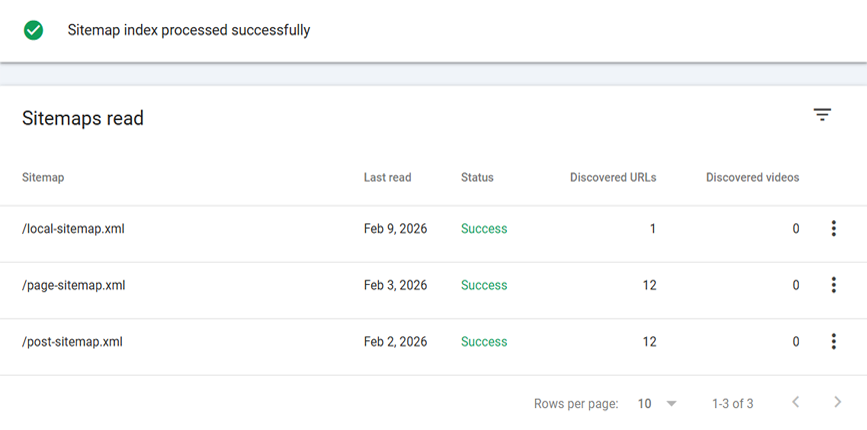
An XML sitemap acts as a roadmap for search engines, helping them find and prioritize your most important pages.
Keep your sitemap updated automatically and ensure that pages marked as “noindex” are not included. A well-maintained sitemap not only helps search engines discover pages faster but also signals which content is most important for indexing.
Checklist:
- XML sitemap is created and updated
- Submitted to Google Search Console
- Contains only canonical and indexable URLs
Indexation Status
Not all pages should be indexed, but your key pages must be.
Checklist:
- No accidental “noindex” tags on important pages
- Duplicate pages use canonical tags correctly
- Index coverage issues are monitored regularly
2. Website Structure and URL Optimization
A clean and logical site structure helps both users and search engines navigate your website more easily.
A clear website structure improves user trust and makes navigation intuitive. Short, descriptive URLs can positively influence click-through rates in search results. Using breadcrumbs and logical hierarchies helps both users and search engines understand how your content is organized, further improving site accessibility and engagement.
Checklist:
- URLs are short, descriptive, and readable
- Keywords are used naturally in URLs
- Consistent use of HTTPS and preferred domain (www or non-www)
- No unnecessary parameters or session IDs
A well-organized structure also improves internal linking and user experience.
3. Page Speed and Performance
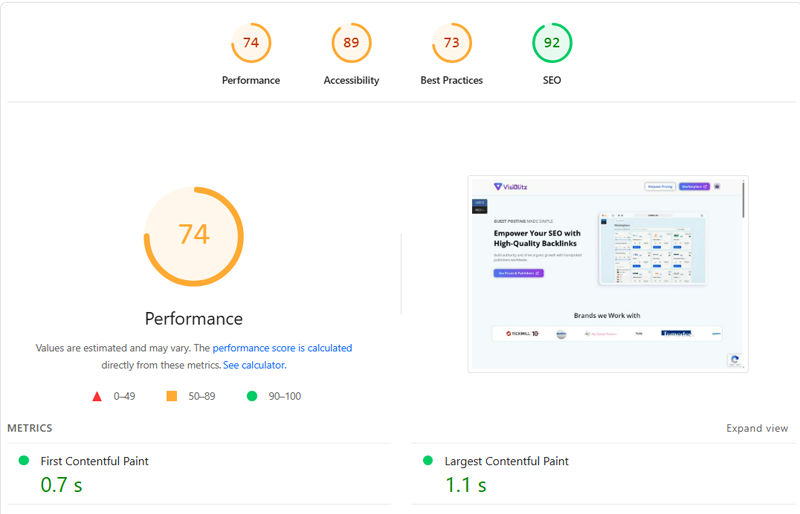
Website speed is a confirmed Google ranking factor. Slow websites frustrate users and lead to higher bounce rates.
Checklist:
- Pages load in under 3 seconds
- Images are compressed and optimized
- CSS and JavaScript files are minified
- Browser caching is enabled
- Content Delivery Network (CDN) is used when possible
Fast websites not only rank better but also convert better.
4. Mobile Optimization
With Google’s mobile-first indexing, the mobile version of your website is considered the primary version.
Checklist:
- Responsive design works on all screen sizes
- Text is readable without zooming
- Buttons and menus are easy to use on mobile
- Mobile loading speed is optimized
If your website performs poorly on mobile, your rankings will suffer regardless of desktop performance.
5. HTTPS and Website Security
Security plays a major role in trust and SEO. Google favors websites that provide a secure browsing experience.
Checklist:
- SSL certificate is installed and valid
- All HTTP URLs redirect to HTTPS
- Mixed content issues are resolved
- Security vulnerabilities are minimized
A secure website protects both your users and your brand reputation.
6. Core Web Vitals and User Experience
Core Web Vitals are real-world measurements of user experience rather than theoretical benchmarks. They reflect how users actually perceive your site’s performance. Monitoring and improving LCP, INP, and CLS ensures that pages are fast, responsive, and visually stable, which can increase engagement, trust, and ultimately organic rankings.
Key metrics include:
- Largest Contentful Paint (LCP): loading performance
- Interaction to Next Paint (INP): responsiveness
- Cumulative Layout Shift (CLS): visual stability
Checklist:
- LCP under 2.5 seconds
- INP below 200 milliseconds
- CLS score below 0.1
Improving these metrics leads to smoother and more engaging user experiences.
7. Internal Linking and Navigation
Internal links help distribute authority across your website and guide users to relevant content.
Checklist:
- Important pages are reachable within three clicks
- Logical internal linking between related pages
- No broken internal links
- Clear navigation menus
Strong internal linking improves crawl efficiency and SEO performance.
8. Structured Data (Schema Markup)
Structured data helps search engines understand your content more clearly and can lead to enhanced search results such as rich snippets.
Checklist:
- Schema markup implemented correctly
- No structured data errors
- Relevant schema types used (articles, FAQs, products, reviews)
Although schema does not guarantee higher rankings, it can significantly improve visibility and click-through rates.
9. Error Monitoring and SEO Tools
Regular monitoring is essential to maintain technical SEO health.
Checklist:
- Google Search Console configured properly
- Crawl errors monitored and fixed
- 404 errors handled correctly
- Redirects implemented properly (301 instead of 302 where needed)
SEO tools help identify issues before they impact rankings.
How VisiBlitz Supports Technical SEO Growth
VisiBlitz – GUEST POSTING MADE SIMPLE is a marketplace that connects brands with trusted digital publishers across the GCC and MENA regions. While technical SEO builds a strong foundation, visibility and authority grow through strategic content placement and link building.
VisiBlitz supports your SEO strategy by offering:
- Access to a rich marketplace of media outlets
- Competitive pricing and flexible payment methods
- Guest posting and sponsored content opportunities
- Complementary services such as SEO audits and content creation
By combining a solid technical SEO checklist with high-quality content distribution, brands can achieve sustainable organic growth.
Final Thoughts
Technical SEO is not a one-time task—it is an ongoing process that ensures your website remains accessible, fast, secure, and user-friendly. This technical SEO checklist provides a clear framework for understanding the most critical technical elements that influence search engine performance.
For brands aiming to build long-term visibility and trust, investing in technical SEO awareness is the first step toward stronger rankings and better digital performance.